

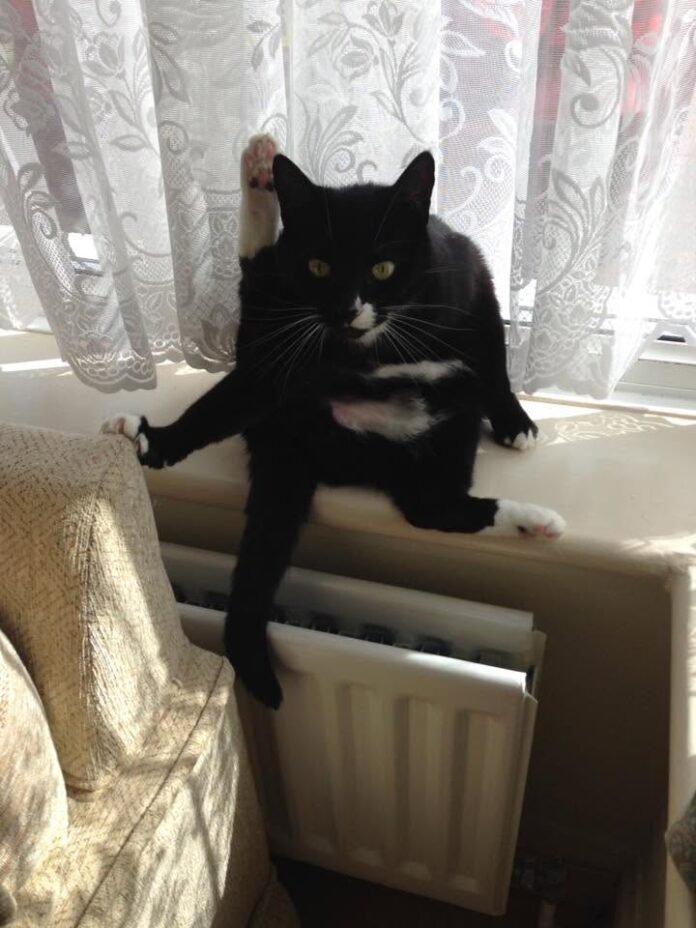
I grew up with a cat known as Raani. She was our household cat, she lived to the grand outdated age of 17, and I shared a house together with her from my teenagers till I left for uni. And but, we by no means had a lot of a bond. Raani was aloof. Sassy. I cherished her, however we simply… coexisted.
As an grownup, I received my first two cats, Athena and Ruski, and all the things was totally different. Athena got here on day by day walks with me (sure, a cat on walks). Ruski sat on my lap for hours every single day whereas I labored. We have been a pack. After my separation, Ruski got here with me and have become one thing like an emotional assist animal. We grieved the change collectively, and we moved ahead collectively.
I’ve solely had Ruski a number of years in comparison with the numerous I spent with Raani, however there’s no contest about which bond runs deeper. So when a brand new Kyoto College examine instructed it’s closeness, not years of possession, that tracks with an proprietor’s temper, it hit dwelling. However I wished to know the way it holds up in opposition to different analysis.
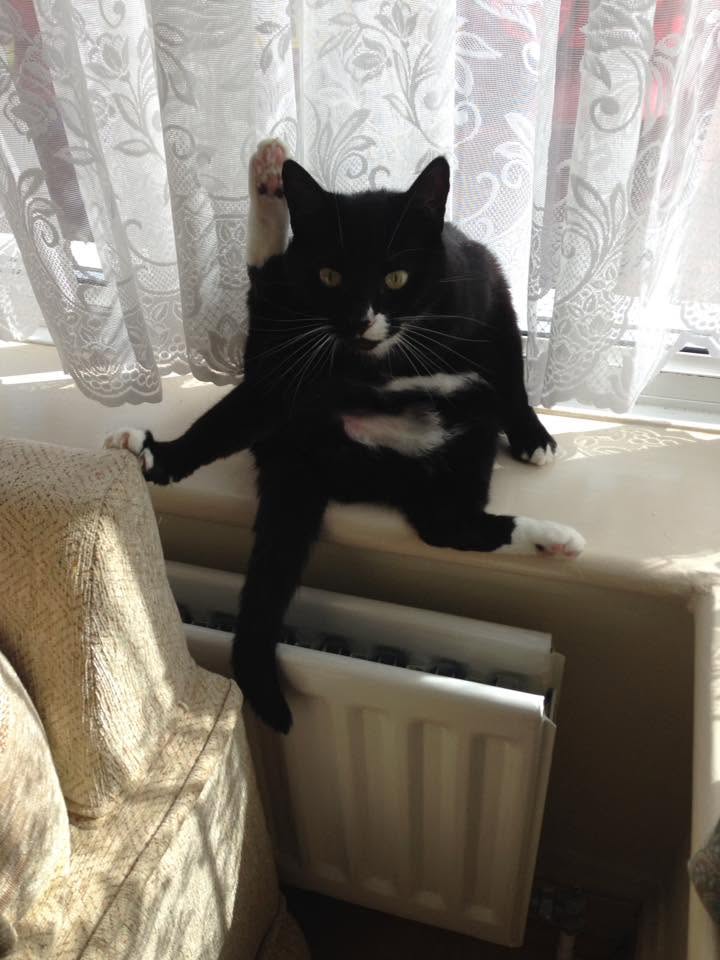
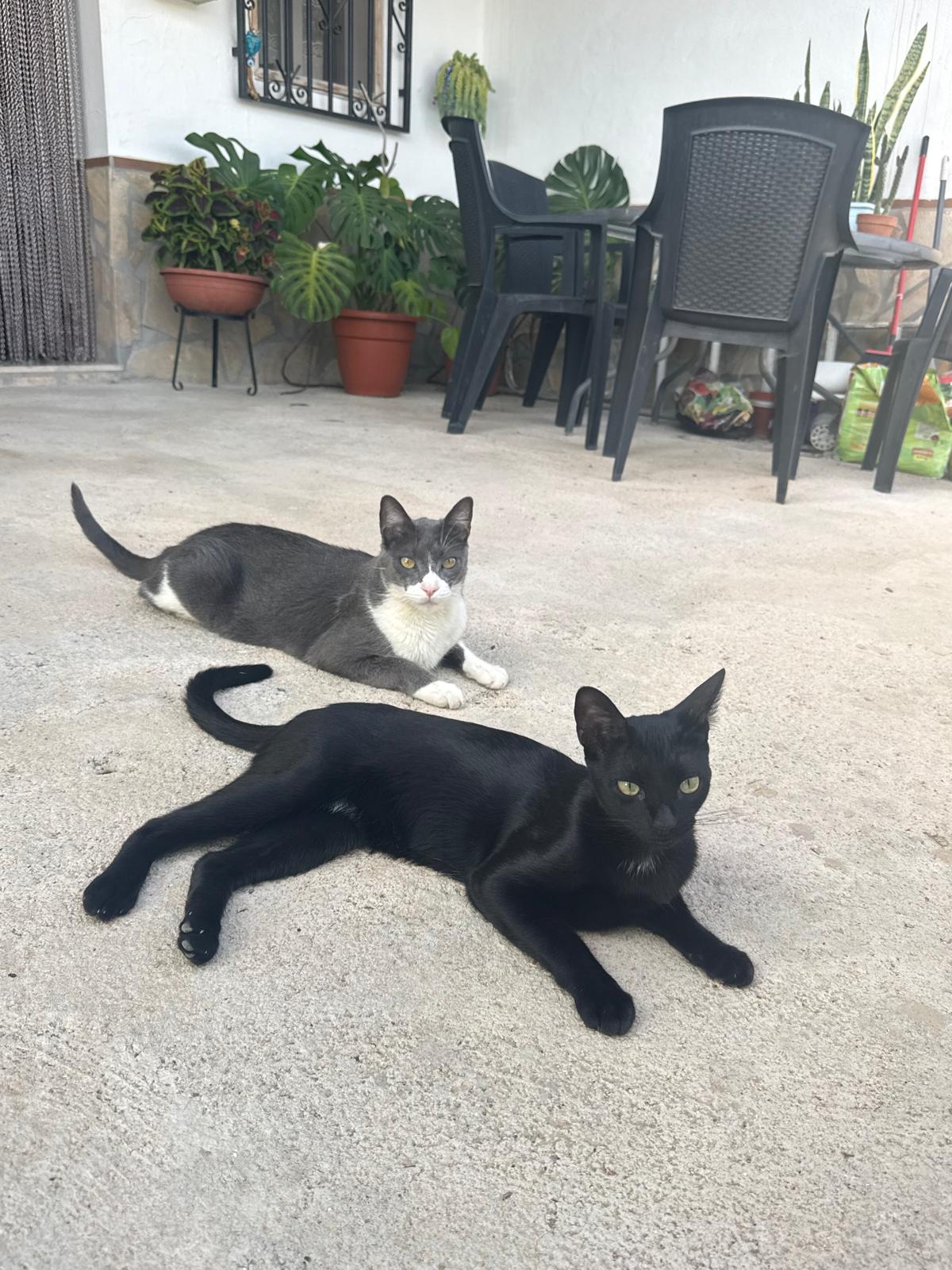
(Cat tax of Raani and Ruski at finish of article).
What the Kyoto examine discovered
The examine, printed in iScience and led by cat researcher Saho Takagi, adopted 29 cats and 19 homeowners for a month. Cats wore Bluetooth beacons that talked to their proprietor’s telephone, each gave urine samples for oxytocin (linked to bonding) and cortisol (a stress marker), and homeowners crammed in temper questionnaires.
Based on the college, homeowners’ constructive moods “weren’t related to how lengthy they’ve had their cats, however relatively to the general bodily proximity between homeowners and their cats.” Cats’ and homeowners’ oxytocin moved collectively, and cats with increased oxytocin lived with homeowners who reported much less unfavourable temper.
The element issues, although. A more in-depth take a look at the strategies reveals:
- The beacons measured closeness, not minutes. They tracked sign energy when cat and proprietor have been involved, not complete time collectively.
- It was one form of constructive temper. Closeness was linked to vigour and exercise – feeling energetic and full of life – not each constructive temper measure.
- Years of possession didn’t reliably predict temper both method. An early hyperlink to extra unfavourable temper disappeared as soon as multi-cat households have been accounted for.
- It’s small. Hormone knowledge lined 24 cats, 16 of the 19 homeowners have been girls, and the college says the findings “solely exhibit associations”.
So does different analysis again it up?
The research that agree
Cats appear to carry us by way of exercise, not simply calm. In a 2023 examine, Takumi Nagasawa and colleagues had 32 Japanese homeowners spend 10 minutes both interacting with their cat or resting. After resting, homeowners’ vitality and pleasure dropped. After time with their cat, they didn’t. Coronary heart fee knowledge pointed the identical method, and the crew instructed cats may fit by way of an “arousing” impact relatively than a purely calming one. That strains up neatly with the Kyoto vigour discovering.
It’s the standard of contact that counts. A 2021 examine in PeerJ measured oxytocin in 30 girls earlier than and after quarter-hour with their cats. Total, oxytocin didn’t rise greater than it did whereas studying a e-book. Nevertheless it did rise extra for girls whose cats initiated contact, and with mild petting and hugging – whereas it fell when cats received scratchy. In different phrases, merely being round a cat wasn’t sufficient. The interplay itself mattered.
Cats do bond with us. A 2019 examine in Present Biology discovered about 65% of cats and kittens have been securely hooked up to their homeowners – virtually precisely the speed seen in human infants. So the aloof cat stereotype doesn’t maintain for many of them.
The examine that complicates it
The image isn’t fully tidy. A 2003 Swiss examine of a whole lot of individuals discovered that cats diminished dangerous moods about in addition to a human companion. However solely companions, not cats, boosted good moods. And the way hooked up homeowners felt to their cats didn’t clarify the drop in dangerous temper.
That’s a special measure from Kyoto’s – self-reported attachment relatively than bodily closeness – nevertheless it’s a reminder that the bond and the profit don’t all the time line up neatly.
Cats are usually not small canine
The Kyoto examine additionally discovered little hyperlink between homeowners’ and cats’ cortisol. That’s totally different to canine: in a 2019 Swedish examine of 58 canine and their homeowners, long-term stress ranges measured in hair rose and fell collectively, with researchers suggesting canine mirror their homeowners’ stress.
Cats appear to work in a different way. They don’t essentially soak up our stress, however they do appear tuned in to it – which is definitely the way it felt with Ruski.
Ultimate ideas
I don’t assume Raani and I failed at something. She was who she was. We shared a house for years, however we by no means actually shared area – not the way in which Ruski and I do.
What you may pretty take from this: throughout a number of small research, shut, affectionate contact with a cat – particularly when the cat involves you – is linked to raised temper, extra power, and better oxytocin. How lengthy you’ve owned a cat doesn’t appear to be what issues.
What it doesn’t present: that cats trigger higher moods. These are small, largely feminine samples, and the hyperlinks are associations. Happier, livelier individuals might merely spend extra time close to their cats. And cats could also be higher at easing dangerous moods than creating good ones.
But when a cat has ever discovered you on the worst day of your yr and easily sat with you, you most likely already know what the researchers have been choosing up on. It’s not about how lengthy you’ve had one another. It’s about how shut you let one another get.
Observe Science Weblog on Google
Add us as a most popular supply to see extra Science Weblog reporting in Google.

